Insider tips garden rubbish removal Little Ilford E12
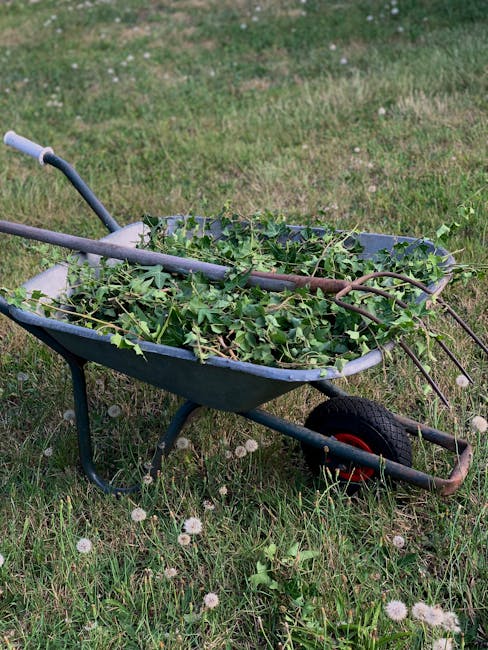
If your garden in Little Ilford is starting to look more like a holding bay for broken branches, lawn clippings, old plant pots, and the odd rusted bit of metal, you are not alone. Garden waste has a habit of sneaking up on people. One weekend the space feels tidy enough, and the next it is full of green cuttings, soil bags, and that pile you meant to deal with "next Saturday". This guide to Insider tips garden rubbish removal Little Ilford E12 is here to make the job simpler, safer, and less wasteful.
You will find practical ways to sort, load, and remove garden rubbish without turning the whole day into a chore. We will also cover what can and cannot be included, how to avoid common mistakes, and when a professional service makes more sense than hiring a skip or making multiple trips. Truth be told, the difference between a smooth clearance and a stressful one is often just a bit of planning.
For readers who want the bigger picture on mixed waste collections, it can also help to understand broader waste removal options and the benefits of a dedicated garden clearance service when the pile gets out of hand.
Why Insider tips garden rubbish removal Little Ilford E12 Matters
Garden rubbish removal is not just about making a space look tidy, although that is a lovely bonus. In a busy part of East London like Little Ilford, outdoor spaces often do double duty: family area, storage corner, planting patch, and sometimes a place where "temporary" rubbish quietly becomes permanent. The longer garden waste sits, the more awkward it gets. Damp cardboard turns soggy, branches take up more room than you expect, and bags of cuttings can start to smell a bit earthy and sour after a warm spell. Nobody wants that.
There is also a practical side. A cluttered garden can make routine maintenance harder, slow down landscaping work, and create trip hazards. If you are planning to repaint fence panels, lay turf, repair paving, or simply reclaim your patio, clearing the waste first gives you a clean starting point. That sounds obvious, but you would be amazed how often people try to work around the mess instead of dealing with it first.
Insider tips matter because garden rubbish is not all the same. Green waste, soil, old timber, broken sheds, and mixed household debris each need different handling. That is where a bit of know-how saves time and often money too.
How Insider tips garden rubbish removal Little Ilford E12 Works
In simple terms, garden rubbish removal follows a few clear stages: sort the waste, decide what needs special handling, load it safely, and arrange disposal through the right route. A professional clearance service usually speeds this up by handling the lifting, transport, and disposal for you. If you are doing part of it yourself, the same order still applies. It just takes a little more effort and a bit of patience.
Here is the basic flow most people find easiest:
- Separate the waste into clear groups. For example: green cuttings, wood, soil, general garden junk, and anything potentially hazardous.
- Check what can be reused or composted. Not every branch or leaf pile needs to be treated as rubbish.
- Bag or bundle the materials sensibly. Loose waste spreads, tears, and becomes messy very quickly.
- Move heavy or awkward items first. Old planters, rubble, and timber offcuts are easier to handle before the smaller bits get in the way.
- Choose your disposal method. That might be a skip, man and van clearance, or a mixed book online collection if you want the job handled quickly.
What makes Little Ilford jobs slightly different, in practice, is access. Many homes have narrow side passages, shared paths, compact yards, or limited parking. That means the removal method matters almost as much as the waste itself. A quick and tidy collection becomes more valuable when every minute of access is awkward. To be fair, that is normal in London. Space is never generous for long.
Key Benefits and Practical Advantages
There are some obvious benefits to removing garden rubbish, but the hidden ones are often more useful day to day. A clean garden is easier to enjoy, yes, but it is also easier to maintain, safer to walk through, and simpler to improve later.
- More usable outdoor space. You can actually sit, plant, or store items without working around piles of debris.
- Lower trip and cut risks. Broken pots, sharp branches, and hidden screws are not friendly underfoot.
- Better visual appeal. The garden looks finished sooner, which gives you momentum for the next job.
- Less pest attraction. Damp waste and old timber can invite unwanted visitors if left too long.
- More efficient gardening work. Pruning, mowing, and landscaping are quicker when the area is clear.
- Improved sorting and recycling. When waste is separated correctly, more of it can be recovered rather than simply mixed and dumped.
There is also a mental benefit that people do not talk about enough. You step outside, and instead of seeing a backlog of jobs, you see a place that feels manageable again. It changes the mood of the whole property. Small thing, maybe. But it matters.
If sustainability is part of your decision, it is worth looking at the company's approach to recycling and sustainability. That is especially relevant if your clearance includes recyclable wood, metal, or compostable green waste.
Who This Is For and When It Makes Sense
This sort of service is not just for people with huge gardens. In fact, some of the messiest jobs come from small outdoor spaces where everything gets squeezed together. A few bags of hedge clippings, a broken bench, an old barbecue, and some soil sacks can add up fast.
It tends to make sense for:
- homeowners doing seasonal tidy-ups
- landlords preparing a property between tenancies
- tenants clearing a courtyard, balcony, or shared garden area
- people finishing a DIY garden project
- older residents who do not want the lifting and sorting hassle
- anyone dealing with mixed garden and household waste after a renovation or clear-out
It is also a sensible option when the waste is too mixed for basic composting but not quite enough to justify a large skip. That in-between situation is common. You know the one: too much for the boot of the car, too little to want a giant metal box sitting outside for a week.
For larger projects that spill out into sheds, garages, or even loft storage, related services like garage clearance and home clearance can be useful too. The job often grows arms and legs once you start, let's face it.
Step-by-Step Guidance
If you want a clean result without wasted effort, work methodically. A rushed garden clearance often creates more mess than it removes. This is the part where a calm half hour of prep can save a full afternoon later.
1. Walk the garden first
Do a slow scan from one end to the other. Look for green waste, hidden fixings, rusted tools, cracked pots, and anything that could cut or snag. A lot of people miss what is under shrubs or behind bins. It sounds simple. It is simple. But it works.
2. Group waste by type
Keep branches together, grass cuttings together, soil in one place, and general junk separate from clean organic material. Mixed waste is more expensive and harder to process. If you can keep the compostable material cleaner, that usually helps the disposal route too.
3. Break bulky items down safely
Old fence panels, plant supports, wooden planters, and small sheds are much easier to move in sections. Use the right tools and do not force anything that looks rotten or unstable. Soft wood can crumble unexpectedly. It happens quickly, and usually when you are already in an awkward position.
4. Load the heaviest material first
Put soil, rubble, or heavy timber near the base of the load so it stays stable. Then place lighter green waste on top. That keeps bags from collapsing and reduces the chance of a nasty spill when moving everything out.
5. Remove loose debris at the end
Once the bulk is gone, sweep or rake up the fine bits: leaves, twigs, soil dust, broken glass if present, and stray fixings. This finishing pass is where the space starts to feel truly clear. It is a small task, but it makes the whole job look finished rather than merely interrupted.
6. Decide whether a professional collection is the smarter move
If you have limited access, heavy items, or a time limit, a collection service can be far less stressful than DIY disposal. A professional team also reduces the number of trips, which matters when parking is tight or the waste is awkwardly mixed. For a fuller picture of collection options, take a look at pricing and quotes before deciding.
Expert Tips for Better Results
These are the small things that make a big difference. They are not flashy, but they save effort, and sometimes money too.
- Keep green waste as dry as possible. Wet clippings get heavy fast, and heavy clippings cost you in labour or capacity.
- Flatten cardboard plant packaging before it gets soggy. Once wet, it becomes a nuisance.
- Use bags with a sensible fill level. Overstuffed bags split at the worst possible moment. Usually near a gate. Funny how that works.
- Separate reusable garden items. A decent pot, watering can, or timber planter may still have life left in it.
- Schedule clearance before major garden work. If you are landscaping, clear the waste first so trades or DIY work is not blocked.
- Think about access before you start. Move bins, bikes, and furniture out of the route. It seems obvious, but people forget.
- Take photos before and after. Not just for satisfaction. It helps if you need to compare the scale of the task next time.
A useful rule of thumb: if you can sort the waste in ten minutes, do it. That ten minutes often pays back in a smoother pickup and a tidier disposal process. Also, do not underestimate the value of gloves. Good ones. Not the thin, flimsy sort that split as soon as they meet a thorny branch.
Common Mistakes to Avoid
Garden rubbish removal looks straightforward until the wrong item gets mixed in, or the load is built badly, or the waste is heavier than expected. These are the mistakes people make most often.
- Mixing everything together. Compostable waste, timber, soil, and general rubbish all behave differently.
- Leaving hidden sharp objects in the pile. Broken glass, nails, and metal offcuts are easy to miss.
- Underestimating weight. Soil and wet green waste can become much heavier than they look.
- Ignoring access problems. A narrow path or locked side gate can derail the whole plan.
- Assuming all garden waste is harmless. Some items may be treated differently because of contamination or chemical treatment.
- Forgetting to check what the service actually takes. It is better to ask than to discover an excluded item at the kerbside.
One of the less obvious mistakes is clearing only the obvious waste and leaving the awkward little bits behind. A few piles of twigs, cracked tiles, or loose fixings can make a tidy garden look unfinished. You notice it the second day, usually with a cup of tea in hand, and then it starts bothering you. A bit annoying, that.
Tools, Resources and Recommendations
You do not need a shed full of specialist gear, but a few sensible tools help enormously. The aim is not to make the job technical. The aim is to make it safe and efficient.
| Item | Why it helps | Best use |
|---|---|---|
| Heavy-duty gloves | Protects hands from thorns, splinters, and sharp fixings | Pruning, bagging, and loading |
| Rake or leaf grabber | Quickly gathers light debris and loose cuttings | Final sweep and surface tidy-up |
| Strong refuse sacks | Reduces tearing and makes lifting easier | Green waste and mixed lightweight rubbish |
| Wheelbarrow or sack truck | Helps move heavier loads with less strain | Soil, planters, timber, and bulky bags |
| Pruning shears or loppers | Makes branches easier to bundle and stack | Cutting down oversized clippings |
For larger, mixed clearances, some people compare garden waste removal with other services such as builders waste clearance if the project includes soil bags, broken paving, or old timber from structural work. If you are unsure what belongs where, it is better to classify the waste properly than guess.
Another useful page to review is what can go in a skip, especially if you are weighing up skip hire against a collection service. It helps clarify the basics, even if you do not end up using a skip at all.
Law, Compliance, Standards, or Best Practice
Garden rubbish removal is not just about tidiness. Waste has to be handled responsibly, and that means choosing a route that fits UK waste expectations and good practice. You do not need to become an expert in waste law, thankfully, but you should understand the basics.
As a general rule, waste should be carried, transferred, and disposed of by people or businesses that are set up to do it properly. If a contractor is handling your waste, ask sensible questions about how it is managed and whether recyclable material is separated where practical. A careful operator should be happy to explain the process in plain English. If they are cagey, that is a warning sign. Simple as that.
Also, not every garden item belongs with ordinary green waste. Treated wood, hazardous garden chemicals, oil-based residues, or damaged equipment with contaminants may need special handling. The same applies to anything that could leak, dust, or present a safety issue. In the case of suspect items, do not try to make assumptions. If in doubt, treat it cautiously and ask for guidance.
Good practice also includes safe loading, secure transport, and keeping the site tidy. It sounds basic because it is basic. But basic done well is often what separates a competent service from a sloppy one. If you are comparing providers, a page like insurance and safety can give you a sense of how seriously they treat risk and responsibility.
Options, Methods, or Comparison Table
There is no one perfect way to remove garden rubbish. The best option depends on volume, access, waste type, and how quickly you want the space cleared. Here is a simple comparison.
| Method | Best for | Pros | Watch out for |
|---|---|---|---|
| DIY car or van runs | Very small loads | Low direct cost, flexible timing | Time-consuming, messy, repeated trips |
| Skip hire | Medium to large projects with steady waste | Convenient for ongoing work | Space needed, permits may apply, waste needs sorting |
| Professional garden clearance | Mixed, bulky, or heavy waste | Fast, less lifting, less hassle | Need to be clear on what is included |
In many Little Ilford homes, professional collection ends up being the most balanced option. Why? Because access is often tight, waste is mixed, and people want the garden back quickly. If your project includes more than just leaves and grass, a collection team can save you several trips and a fair amount of faff.
Case Study or Real-World Example
Here is a realistic example. A small family in Little Ilford had let a rear garden slip over the winter. Nothing dramatic, just the usual drift: pruned branches in one corner, two broken planters, half a bag of soil that had gone solid after rain, and an old timber bench that had seen better decades. The place was not a disaster, but it felt stuck.
They started by dividing the waste into three groups: green cuttings, hard materials, and mixed rubbish. That alone made the job feel less overwhelming. The bench was broken down, the clippings were bundled, and the soil was kept separate so it could be moved without leaking everywhere. They left the loose leaves and tiny twigs for last, which was a smart move. By the end of the collection, the garden looked bigger. Not magically bigger, just finally visible again.
The key lesson from this kind of job is not that it was complicated. It was not. It is that small decisions made early - especially sorting and access - changed the whole experience. That is the bit people usually miss. The garden did not become easier because of luck. It became easier because the clutter was handled in a logical order.
Practical Checklist
Use this before you start a garden rubbish removal job in Little Ilford E12. It keeps the day calm and stops the "oh no, I forgot that" moment halfway through.
- Walk the whole garden and identify every waste pile
- Separate green waste, wood, soil, and general rubbish
- Check for sharp, heavy, wet, or contaminated items
- Decide what can be composted, reused, or recycled
- Clear a route for moving waste out of the garden
- Gather gloves, bags, and any lifting aids you need
- Bundle branches and break down bulky items safely
- Keep loads manageable rather than overfilling bags
- Choose the right removal method for the volume involved
- Do a final sweep for loose debris, nails, and small fragments
If the job keeps growing while you are looking at it, that is normal. Gardens have a way of revealing extra surprises. Just keep going in stages. One corner at a time.
Get a free quote today and see how much you can save.
Conclusion
Garden rubbish removal in Little Ilford E12 does not need to be stressful, and it definitely does not need to eat up your whole weekend. With a clear plan, a bit of sorting, and the right disposal choice, you can turn a cluttered outdoor area into a space that feels useful again. The real insider tip is this: start simple, separate waste early, and do not leave the awkward stuff until the end unless you absolutely have to.
Whether you are clearing after pruning, getting ready for landscaping, or finally dealing with the pile that has been bothering you for months, the right approach makes all the difference. And once the space is clear, you feel it straight away. Cleaner air, more light, less noise in your head. It is a small win, but a good one.
If you want a service-led approach rather than a DIY slog, you can also explore the wider company background on the about us page or head straight to contact us when you are ready to talk through your clearance. Sometimes the easiest next step is simply getting the conversation started.
Frequently Asked Questions
What counts as garden rubbish in Little Ilford E12?
Garden rubbish usually includes grass cuttings, hedge trimmings, branches, leaves, soil, old plant pots, broken outdoor furniture, timber offcuts, and mixed debris from garden projects. If an item is contaminated, treated, or potentially hazardous, it may need separate handling.
Can I mix green waste with other garden junk?
You can, but it is not always the best idea. Mixing everything together often makes disposal less efficient and can reduce recycling opportunities. Keeping green waste separate is usually cleaner and easier.
Is it better to use a skip or a clearance service?
It depends on the job. A skip suits ongoing work and steady waste, while a clearance service is often better for bulky, mixed, or awkward loads. If access is tight, a clearance team is usually the simpler option.
How do I know if my garden waste is too heavy for DIY removal?
If the pile includes wet soil, large branches, rubble, or several heavy bags, it may become more awkward than it looks. Once lifting becomes repetitive or risky, a professional collection is often the safer choice.
What should I do with old fence panels and rotten wood?
Break them down if it is safe to do so, and keep them separate from green waste where possible. If the wood is treated, painted, or contaminated, it may need different handling than plain untreated timber.
Can I book garden rubbish removal online?
Yes, if you want a quick start, you can use book online to arrange a collection. It is often the fastest way to get the process moving.
What happens if my waste includes something hazardous?
Hazardous items should not be mixed in with ordinary garden waste. Things like chemicals, oils, and other risky materials need extra care. If you are unsure, get advice before loading anything.
How can I keep garden waste removal costs under control?
Sort the waste before collection, keep recyclable material separate where possible, and avoid mixing heavy soil with lighter waste unless needed. A well-prepared load is usually easier and more efficient to handle.
Do I need special bags for green waste?
Strong bags are useful, especially for wet cuttings and leaves. The main aim is to prevent splitting and spillage. Overfilled bags are a nuisance, so keep them manageable.
What if I also need other household items removed?
If the job spreads beyond the garden, a broader service may be more suitable. Services such as house clearance or furniture disposal can be relevant when outdoor and indoor clutter are being dealt with together.
How long does a typical garden rubbish removal take?
It varies with volume, access, and how well the waste is sorted. A small tidy-up may be quick, while mixed or heavy loads take longer. Preparation usually has more impact than people expect.
Why choose a local-style service for Little Ilford E12?
A service familiar with London access issues usually understands narrow passages, parking limits, and compact outdoor spaces. That practical awareness can save time and reduce hassle. And honestly, that is half the battle.