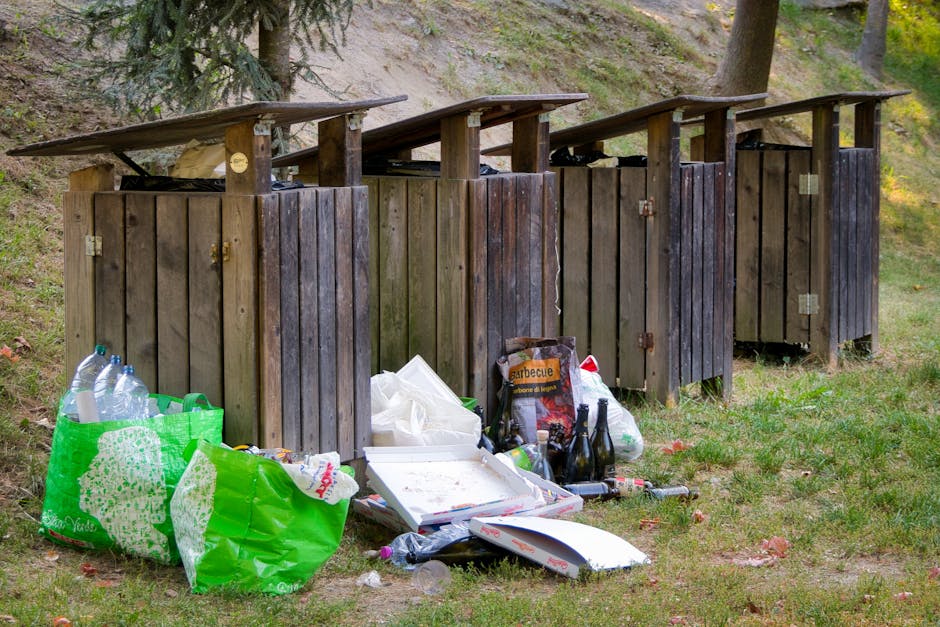
Manor Park station rubbish collection tips: a practical guide for cleaner, safer clearances
If you are dealing with a pile of bags, a broken chair, or the aftermath of a rushed clear-out near Manor Park station, you are probably after something simple: how to get rubbish collected without stress, delay, or accidental mess. These Manor Park station rubbish collection tips are built for exactly that. They cover how to sort waste properly, avoid common mistakes, stay on the right side of UK waste rules, and choose the most sensible collection method for your situation.
Let's face it, rubbish never arrives at a convenient time. One minute you are moving a few things out of a flat; the next you are staring at a heap of packaging, furniture offcuts, and old bits that somehow multiplied overnight. The good news? With a bit of planning, the whole job gets easier, cleaner, and usually cheaper too.
This guide is designed for residents, landlords, office managers, tradespeople, and anyone trying to keep a space tidy around Manor Park station without turning it into a weekend headache.
Table of Contents
- Why Manor Park station rubbish collection tips Matters
- How Manor Park station rubbish collection tips Works
- Key Benefits and Practical Advantages
- Who This Is For and When It Makes Sense
- Step-by-Step Guidance
- Expert Tips for Better Results
- Common Mistakes to Avoid
- Tools, Resources and Recommendations
- Law, Compliance, Standards, or Best Practice
- Options, Methods, or Comparison Table
- Case Study or Real-World Example
- Practical Checklist
- Conclusion
- Frequently Asked Questions
Why Manor Park station rubbish collection tips Matters
Manor Park station is a busy, lived-in part of East London, and rubbish builds up fast in places with flats, shared entrances, small gardens, shops, and frequent turnover. That matters because waste left too long becomes more than an eyesore. It can block walkways, attract pests, create odours, and make neighbours understandably unhappy. If you have ever opened a hallway door on a warm day and been hit by that stale mixed-waste smell, you will know exactly what I mean.
Good rubbish collection habits also protect your time. A tidy sort-out means fewer back-and-forth trips, fewer rejected items, and less chance of paying for a collection twice because something was missed. It is the sort of preparation that feels boring for ten minutes and brilliant when the van turns up and everything is ready.
There is also a bigger point here: waste is not just "stuff to get rid of". In the UK, it needs to be handled responsibly, especially if it includes electricals, appliances, plasterboard, paints, sharp materials, or confidential paperwork. A rushed approach can lead to avoidable hassle. A methodical one usually saves effort and lowers risk.
Expert summary: the best rubbish collection jobs are rarely the fastest ones to start. They are the ones where the waste is sorted early, access is checked, and the collection method is chosen before the pile becomes unmanageable.
How Manor Park station rubbish collection tips Works
At its simplest, rubbish collection works in one of three ways: you sort the waste, you choose a collection method, and the waste is taken away for reuse, recycling, or disposal. The details depend on the type and volume of rubbish, the access to your property, and how mixed the waste is.
Near Manor Park station, the practical reality is often about access. Flats above shops, narrow roads, timed loading, shared entrances, and busy pavements all influence what is realistic. A collection that works well in a suburban driveway may be awkward here. That is why local planning matters so much.
For most jobs, the process looks something like this:
- You identify what needs clearing.
- You separate reusable, recyclable, and general waste where possible.
- You check for restricted items such as hazardous waste or bulky appliances.
- You decide whether the job suits a man-and-van style collection, a full waste removal service, or another clearance method.
- You prepare access so the collection can happen quickly and safely.
- You confirm the price basis, collection timing, and any special handling needs.
If your waste is mixed and bulky, a broader service can be more practical than trying to manage everything yourself. For larger clearances, options such as general waste removal or a more specific service like home clearance may fit better than a standard bin-only approach.
To be fair, people often underestimate how much time sorting saves. A half-hour spent separating cardboard, furniture, and electricals can cut collection stress in half. Sometimes more.
Key Benefits and Practical Advantages
There are a few clear reasons to follow sensible rubbish collection tips before arranging a pickup near Manor Park station.
1. Faster collection on the day
When waste is sorted and easy to reach, the collection goes much more smoothly. Crews can work safely, lift the right items first, and avoid fiddly delays. That matters in busy streets where parking time is limited and everyone is watching the clock.
2. Better use of recycling and reuse
Separate recyclable material makes a real difference. Cardboard, metal, some plastics, and certain wood items are usually easier to process when kept apart. If sustainability matters to you, it is worth checking the company's approach to recycling and sustainability before booking.
3. Less chance of contamination
Food waste mixed into clean packaging, or paint tins mixed into ordinary rubbish, can spoil an entire load. It sounds minor, but in practice contamination is one of the most common reasons collections become awkward.
4. Safer handling
Sharp edges, heavy bags, and hidden broken glass create avoidable injury risks. Good preparation protects everyone involved, especially in shared hallways or tight stairwells.
5. More predictable costs
When you know what you have, you can ask better questions about pricing. If you are comparing options, it helps to look at the provider's pricing and quotes approach before you commit.
One small but important benefit: a tidy collection usually leaves the place feeling calmer straight away. You notice it in the silence after the mess is gone. That is not a technical benefit, obviously, but it counts.
Who This Is For and When It Makes Sense
These Manor Park station rubbish collection tips are useful for anyone who needs a practical, non-chaotic way to deal with unwanted items. In real life, that includes a pretty wide mix of people.
- Tenants moving out who need to clear leftover belongings quickly.
- Landlords and letting agents handling post-tenancy clutter or left-behind waste.
- Homeowners tackling lofts, garages, sheds, or one of those "I will sort it later" rooms.
- Flat owners with limited storage and awkward stair access.
- Office managers getting rid of desks, packaging, old files, or broken equipment.
- Tradespeople dealing with builders' waste, offcuts, and jobsite debris.
- Small businesses that need reliable, one-off clearing rather than a permanent bin contract.
It makes sense when the waste is too much for normal household bins, too awkward for a basic trip to the tip, or too mixed for a simple self-sort. It also makes sense if you need the site cleared quickly and you cannot afford to spend two evenings doing it yourself after work. Nobody wants that. Truth be told, most people think they will do it in "an hour or two" and then discover the hidden pile behind the sofa.
If your project involves furniture, appliances, or office items, a more specific service can save time. For example, furniture clearance, fridge and appliance removal, or office clearance may suit the job better than a generic clean-up.
Step-by-Step Guidance
Here is a practical way to handle rubbish collection around Manor Park station without overcomplicating it.
Step 1: Walk the space first
Do a proper walk-through before moving anything. Look in cupboards, behind doors, under stairs, in loft hatches, and around outdoor spaces. It is surprising how often small items hide in plain sight.
Step 2: Divide waste into simple groups
Keep it practical. You do not need a museum-grade sorting system. Start with:
- general rubbish
- cardboard and packaging
- furniture
- electrical items
- garden waste
- hazardous or restricted items
This gives you a clearer picture of what needs special handling.
Step 3: Pull out anything that needs separate treatment
Batteries, paint, chemicals, syringes, fluorescent tubes, and some cleaning products should be treated carefully. If in doubt, keep them apart and ask the collection provider how they handle hazardous waste disposal.
Step 4: Flatten, bundle, and bag where it helps
Cardboard boxes should be flattened. Loose light waste should be bagged. Long wood offcuts should be tied together if safe to do so. These small actions make loading quicker and usually reduce the chance of bits blowing around on the pavement.
Step 5: Check access before collection day
Measure doorways if you are dealing with bulky items. Move cars if needed. Tell the collection team about stairs, narrow entrances, intercoms, or parking restrictions. A 30-second access note can save 30 minutes of frustration.
Step 6: Confirm what is included
Before the day arrives, be clear on what the quote covers. Are labour, loading, disposal, and recycling included? Are there extra charges for heavy items or awkward access? The details matter more than people think.
Step 7: Keep the route clear
On collection day, make the path easy to use. Open gates, unlock doors, and keep children and pets out of the way. A clean route is safer and quicker.
Step 8: Ask for the right disposal route
If you have mixed waste, ask how the provider handles sorting and recovery. If you are clearing business material, it may be more appropriate to look at business waste removal rather than a domestic-only option.
Little things matter here. A bag tied properly. A lift lobby kept clear. A fridge unplugged the night before. All of it helps.
Expert Tips for Better Results
After enough clearances, you start noticing what consistently makes the job easier. These are the tips that save time and reduce avoidable drama.
Book before the pile grows legs
The longer waste sits there, the more it spreads. Someone adds a bag. Then a box. Then the old printer from the corner. Before you know it, the original tidy-up plan has become a small landfill situation. Book early if you can.
Keep one "do not touch" pile
If you are sorting a mixed room, create one box or area for documents, valuables, keys, chargers, and anything you may want back later. This sounds obvious, but people miss it all the time.
Use the right service for the right load
Bulky seating, old mattresses, or awkward sofas are easier when handled as specific item removal. If you are dealing with worn-out soft furnishings, look at mattress and sofa disposal. For one-off furniture, furniture disposal can be the cleaner route.
Think about the weather
A rainy morning changes everything. Cardboard gets soggy. Walkways get slippery. Bags split more easily. If you have a choice, aim for a dry window. You will notice the difference immediately.
Prepare for silent bottlenecks
The biggest delay is often not the rubbish itself, but access: a parked car, a locked gate, a missing key, a neighbour's bicycle in the hallway. None of these are dramatic. They just slow things down.
Ask about paperwork for business waste
If the clearance involves commercial rubbish, make sure the provider can explain how the waste is handled and documented. A solid operator should be comfortable discussing responsible processes without making it sound complicated.
Quick reminder: if you are unsure whether something is recyclable, recyclable after dismantling, or simply not acceptable in the load, ask before collection day. That one question saves a lot of awkward guessing.
Common Mistakes to Avoid
Most rubbish collection problems are avoidable. They are not usually caused by bad luck. They happen because the prep was rushed.
- Mixing everything together. It is quicker at the start, but slower in the long run.
- Leaving heavy items until last. Heavy items are often the hardest to move and need the most planning.
- Forgetting restricted waste. Batteries, chemicals, and some electrical items should not be lumped in with ordinary rubbish.
- Not checking access. A narrow stairwell changes the entire job.
- Ignoring recycling opportunities. If material can be recovered, separating it early often helps.
- Assuming every collection is the same. A loft clearance, a garage clearance, and a small office tidy-up are very different jobs.
Another common one: people say "it is only a few bags" and then add six chairs, a broken freezer, a mountain of cardboard, and a mattress. Happens all the time, honestly.
Tools, Resources and Recommendations
You do not need fancy equipment to organise a decent rubbish collection, but a few basic tools make the job smoother.
- Heavy-duty bin bags for light mixed waste.
- Gloves for handling awkward or dusty items.
- Mask if you are dealing with dust, loft debris, or old storage areas.
- Tape and markers to label bags or box contents.
- Trolley or sack truck for safe movement of heavier items where appropriate.
- Flat-pack tools for dismantling furniture if needed.
For some jobs, it is also worth checking whether you really want collection, or whether a clearance service would be cleaner. A loft full of mixed items might be more suited to loft clearance, while a cluttered basement or storage unit may be better handled through garage clearance or flat clearance.
For business spaces, it can also help to review a provider's general standards, such as health and safety policy and insurance and safety information. That is not paperwork for paperwork's sake. It tells you whether the operator takes the practical side seriously.
Law, Compliance, Standards, or Best Practice
Waste collection in the UK sits under a mix of legal duties and everyday best practice. You do not need to memorise the detail, but you do need to be careful. In simple terms, if you hand waste to someone else, you should be confident it is going to a legitimate, responsible handler.
For household waste, the main concern is avoiding fly-tipping and ensuring items are disposed of properly. For business waste, the standard of care is usually higher because businesses have a duty to manage waste responsibly and keep a clear record of what leaves the premises. That includes waste transfer documentation where relevant.
There is also a common-sense compliance angle:
- Do not mix hazardous items with general rubbish.
- Do not leave waste where it blocks public access.
- Do not assume an item is safe just because it is old and inactive.
- Do not hand waste to anyone who cannot explain how it will be handled.
If a clearance involves confidential paperwork, use a service that treats it separately. In many cases, confidential shredding is the right direction for files, records, and documents you cannot just throw in a bag.
One more practical note: if a collection provider offers a method that seems too vague, ask how they separate reusable, recyclable, and residual waste. Good operators should be able to explain this in plain English. If they cannot, that tells you something.
Options, Methods, or Comparison Table
Not every rubbish job needs the same solution. Here is a straightforward comparison to help you decide what fits best.
| Method | Best for | Pros | Watch-outs |
|---|---|---|---|
| DIY removal | Very small loads, light waste, local trips | Low direct cost, complete control | Time-consuming, effort-heavy, possible multiple trips |
| Man-and-van style collection | Mixed waste, bulky items, awkward access | Quick, flexible, less lifting for you | Need to be clear about what is included |
| Specialist item disposal | Mattresses, sofas, fridges, appliances | Better handling for specific items | May not suit mixed loads alone |
| Full clearance service | Flats, houses, lofts, garages, offices | Best for larger or cluttered jobs | Usually more planning needed, price depends on volume |
For many people near Manor Park station, a hybrid approach works best. You might separate the easy recyclables yourself, then bring in a team for the bulky or awkward stuff. That way you keep control without doing every heavy lift yourself.
Case Study or Real-World Example
A typical local scenario goes like this. A small two-bed flat near the station needs clearing after a move. The hallway is narrow, the lift is out of order, and the rubbish includes a mattress, a wardrobe, three bags of mixed clutter, a microwave, and several flattened boxes from new furniture. Nothing dramatic. Just enough to become annoying.
The resident starts by separating documents, chargers, and anything reusable. Cardboard is flattened and stacked neatly. The wardrobe is partly dismantled so it can fit through the stairwell. The microwave is kept separate from ordinary rubbish. A collection is booked with the access details explained in advance, including the stairs and the awkward landing turn.
On the day, the team arrives, knows what to expect, and clears the load without wandering back and forth asking what goes where. The whole thing is quicker because the prep was done properly. The resident did not need to turn the flat into a battlefield. No drama, no mystery, just a tidy result.
That is the quiet truth of good rubbish collection: the best jobs are often the ones that look effortless because someone did the organisation beforehand.
Practical Checklist
Use this simple checklist before arranging rubbish collection near Manor Park station:
- Have I identified every item that needs removing?
- Have I separated recycling, general waste, furniture, and appliances?
- Have I set aside any hazardous or restricted items?
- Have I checked access, parking, stairs, and entry details?
- Have I confirmed what the collection price includes?
- Have I sorted out any confidential documents?
- Have I moved fragile, valuable, or keep-safe items out of the way?
- Have I flattened boxes and bundled loose material where sensible?
- Have I checked whether a specialist service is more suitable?
- Am I clear on when the collection will happen and who will be on site?
If you can tick most of those off, you are in good shape. Really, that is half the battle.
Conclusion
Manor Park station rubbish collection tips are really about two things: making waste easier to handle and making the whole process safer, cleaner, and more predictable. Once you sort the waste properly, check access, and choose the right collection method, the job stops feeling like a mess and starts feeling manageable. You do not need perfection. Just a bit of order and a clear plan.
Whether you are clearing a flat, a garage, an office, or a room that has quietly become a storage zone, the smartest move is to prepare before the load builds up. That one habit saves time, reduces stress, and usually improves the end result. And when the rubbish is finally gone, there is a small but very real sense of relief. The room feels lighter. The air feels better. Life moves on.
Get a free quote today and see how much you can save.
If you want to understand the company behind these services, you can also learn more on the about us page or review the terms and conditions before booking.
Frequently Asked Questions
What is the best way to organise rubbish collection near Manor Park station?
The best approach is to sort the waste first, separate anything hazardous or bulky, check access details, and then choose the right collection method for the load. Small, light waste may be easy to manage yourself, while mixed or heavy waste often suits a professional collection.
Do I need to separate recycling before the collection?
It is strongly recommended. Separating cardboard, metal, and other recyclable material makes collection smoother and can improve recovery outcomes. It also reduces the risk of contamination in mixed waste.
Can furniture be collected with general rubbish?
Sometimes yes, but it depends on the provider and the type of collection. Large furniture is often better handled through a dedicated furniture service, especially if it needs dismantling or careful lifting.
What should I do with old appliances like fridges or microwaves?
Keep them separate from ordinary rubbish. Appliances need more careful handling, and some require specific disposal routes. For fridges and similar items, a specialist appliance removal service is usually the safer choice.
How do I know if something counts as hazardous waste?
If it contains chemicals, solvents, oils, paints, batteries, gas, or other potentially harmful materials, treat it cautiously. When in doubt, keep it separate and ask the collection provider before putting it in the load.
Is rubbish collection suitable for a flat with awkward access?
Yes, but access details matter a lot. If there are narrow stairs, no lift, limited parking, or a shared entrance, you should explain that in advance so the team can plan properly.
What is the difference between rubbish collection and full clearance?
Rubbish collection is often focused on removing specific waste or mixed loads. Full clearance usually covers a larger area, such as a flat, house, loft, garage, or office, and may include more sorting and loading work.
How can I keep costs under control?
Sort your waste beforehand, remove anything you want to keep, flatten boxes, and be honest about volume and access. Clear information upfront tends to produce more accurate pricing and fewer surprises.
Can confidential paperwork go in normal waste bags?
No, it is better to keep confidential documents separate and use a shredding service. That is the safer, more responsible option for records, letters, and sensitive paperwork.
What happens if I leave rubbish outside too long?
It can become messy, attract pests, and create complaints from neighbours or passers-by. In busy areas, waste should be collected promptly and kept from blocking access.
Do I need to be on site for the collection?
Usually, yes, or at least someone responsible should be available if access or item confirmation is needed. It depends on the arrangement, but it is wise to make sure the team can reach the waste without delay.
Which service is best for a house or loft full of mixed items?
A broader service such as house clearance or loft clearance is often the simplest option. These jobs usually involve mixed waste, furniture, and items that need sorting as they are removed.
Can I book online for a rubbish collection job?
If the provider offers it, yes. Online booking is often convenient for straightforward jobs, but it is still worth checking the details carefully, especially for bulky items or limited access.
What should I ask before confirming a collection?
Ask what is included in the price, how waste will be handled, whether there are extra charges for heavy or awkward items, and whether any items need special treatment. Those questions are simple, but they save headaches later.
And if you are still deciding how much help you need, start small, stay organised, and do not be shy about asking questions. The right collection plan should make your day easier, not more complicated.