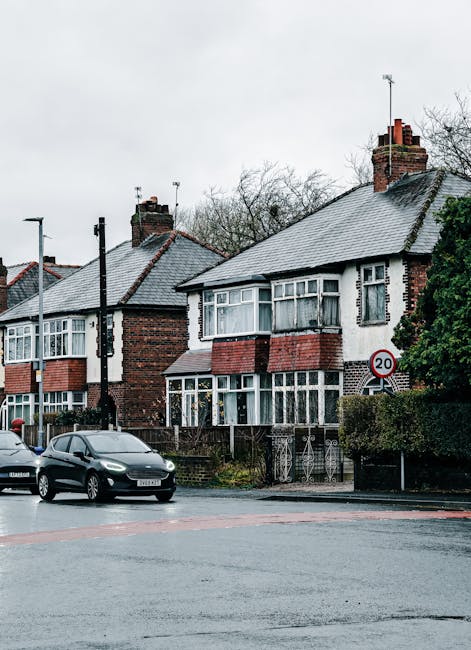
Woodgrange Road house clearance rubbish removal case study
If you have ever walked into a property and felt that little sinking feeling in your stomach, you will understand why a Woodgrange Road house clearance rubbish removal case study is useful. House clearance is rarely just "taking some stuff away". It is often part logistics, part sorting, part careful judgement, and part emotional pressure. There may be furniture that has seen better days, a loft full of forgotten boxes, or a hallway where bags, broken appliances, and mixed rubbish have quietly built up over time.
This article breaks down how a house clearance and rubbish removal job in a street like Woodgrange Road can be approached properly, what makes the process work, the practical benefits, and the mistakes people tend to make when they try to rush it. It is written for anyone comparing options, planning a clearance, or just trying to understand what a sensible, professional approach looks like. No fluff. Just the stuff that helps you make a better decision.
For readers who want broader service context while planning a clearance, it can also help to understand how related services such as house clearance, home clearance, and waste removal fit together. In real life, these jobs often overlap.
Table of Contents
- Why Woodgrange Road house clearance rubbish removal case study Matters
- How Woodgrange Road house clearance rubbish removal case study Works
- Key Benefits and Practical Advantages
- Who This Is For and When It Makes Sense
- Step-by-Step Guidance
- Expert Tips for Better Results
- Common Mistakes to Avoid
- Tools, Resources and Recommendations
- Law, Compliance, Standards, or Best Practice
- Options, Methods, or Comparison Table
- Case Study or Real-World Example
- Practical Checklist
- Conclusion
- Frequently Asked Questions
Why Woodgrange Road house clearance rubbish removal case study Matters
A house clearance case study matters because it shows what actually happens on the ground, not just what a service page promises. On a busy London road, access can be awkward, parking can be tight, and the property may contain a mixed load of general rubbish, old furniture, and items that need separate handling. That combination is exactly where good planning makes all the difference.
The phrase "house clearance rubbish removal" sounds straightforward, but the reality is more layered. One room may be mostly reusable furniture. Another may be a mix of bagged clutter, broken household waste, and appliances. The loft might hold dusty items nobody has looked at for years. You need a service that can assess, sort, load, and dispose of everything responsibly without turning the job into a day-long drama.
Woodgrange Road, like many residential streets in London, also highlights a practical truth: local jobs are won or lost on coordination. If the team arrives without checking access, protection, or the likely volume, things get messy fast. If they do it properly, the process feels calm, efficient, and oddly satisfying. A bit like clearing a room and suddenly hearing your own footsteps again.
That is why this kind of case study is useful for homeowners, landlords, executors, and people dealing with a move, probate, or an overdue reset. It shows the difference between simply "taking away rubbish" and running a clearance with care.
How Woodgrange Road house clearance rubbish removal case study Works
A well-run clearance usually starts before anyone lifts a bag. First comes the assessment: what is there, what needs to go, what might be reusable, and whether any items need special handling. That early look is important because not every item belongs in the same pile. A mattress, a fridge, a sofa, general household rubbish, and confidential paperwork all have different routes.
Then comes the plan. On a road like Woodgrange Road, that might include checking the best time to attend, how to manage loading, and where the vehicle can safely stop without getting in anyone's way. Straightforward in theory, a little fiddly in practice. But that is the job.
Once the team starts, the site is usually worked in zones. One person may sort the more obvious bulky waste. Another may separate reusable or recyclable items. Bagged rubbish is moved efficiently, and awkward items are dismantled if needed. If there are appliances, specialist handling may be required. If there is anything potentially hazardous, it needs separate care and, depending on the material, a different disposal route. That is where proper waste removal experience pays for itself.
A strong clearance process also includes a final sweep. Not glamorous, but essential. You would be surprised how often small items, loose screws, or forgotten bits of packaging hide under furniture or behind a door. Nobody wants to leave a property half-finished. It just feels wrong.
If the job includes furniture, the team may also use a dedicated furniture route. For readers who want to compare that side of the process, furniture clearance and furniture disposal are useful references, especially where pieces are too bulky for ordinary household collections.
Key Benefits and Practical Advantages
The main benefit is obvious: the property becomes usable again. But the real value goes deeper than that. A proper clearance restores space, reduces stress, and helps the next decision become easier. Whether the property is being sold, rented out, renovated, or handed back to family members, a cleared space is simply more manageable.
- Less time wasted: One organised visit is usually far easier than multiple improvised car loads.
- Safer access: Removing clutter reduces trip hazards, blocked walkways, and strained lifting.
- Better sorting: Reusable, recyclable, and general waste can be handled in a more sensible way.
- Cleaner handover: A cleared property is easier to inspect, photograph, or prepare for the next stage.
- Lower stress: There is something mentally relieving about seeing a room come back to life.
For many people, the emotional benefit is just as important as the physical one. Clearing a relative's home, for example, is rarely just about rubbish. It can be a difficult day, full of decisions and memories, and a steady, respectful service makes a big difference. That human side matters. It really does.
There is also a practical cost advantage to using a service that can handle mixed waste in one visit. If a job includes mixed household items, a few bulky pieces, and some bagged rubbish, the right clearance method may be more efficient than arranging several separate collections. And yes, less time faffing around usually means less frustration too.
Who This Is For and When It Makes Sense
This type of clearance makes sense for a wide range of people. Some are dealing with a property that has been left full after a move. Others are clearing a rental between tenants. Some are managing probate. A few are finally tackling years of accumulation. No judgement there. Life gets busy, and rooms have a habit of becoming storage whether you intended it or not.
It is especially relevant if you are:
- preparing a property for sale or letting
- dealing with a deceased estate
- clearing a house after a long tenancy
- trying to reclaim a loft, garage, or spare room
- removing bulky waste alongside domestic clutter
- planning a fresh start after refurbishment or reorganisation
It also makes sense when the job is too large, too awkward, or too mixed for standard bin collections. A lot of people try to manage it piecemeal at first. A bag or two here, a broken chair there, and then suddenly the back room is still full after three weekends of effort. Sound familiar?
That is usually the moment when structured house clearance becomes the sensible choice.
Step-by-Step Guidance
If you want the process to go smoothly, it helps to treat it like a project rather than a panic. Here is the simple version.
- Walk through the property. Identify what is staying, what is leaving, and whether any items need special handling.
- Separate obvious categories. Put documents, valuables, reuse items, electricals, furniture, and general rubbish into rough groups.
- Check access. Measure doorways if needed, note stairs, and think about where items will be carried from.
- Flag any risks early. Broken glass, heavy lifting, damp items, fridges, paint, or unknown liquids should not be left as an afterthought.
- Confirm the disposal route. A good clearance provider should be able to explain what can be taken and how it will be managed.
- Book the visit. Pick a time that works for access, neighbours, and any building restrictions.
- Prepare the rooms. Clear small personal items you want to keep so they are not accidentally mixed in.
- Do a final check. Before the vehicle leaves, look behind doors, under beds, in cupboards, and on shelves.
A useful shortcut is to think in terms of "keep, donate/reuse, remove, and flag." That small framework prevents a lot of confusion. It sounds almost too simple, but honestly, simple systems win in the real world.
If you are dealing with lofts, garages, or side spaces as part of the same job, related pages such as loft clearance and garage clearance can help you understand how those areas are handled separately.
Expert Tips for Better Results
In our experience, the best clearances are usually the ones where someone did a little prep before the team arrived. Nothing heroic. Just thoughtful. A few minutes saved in the morning often removes half the confusion later.
Tip one: set aside anything personal or hard to replace. Photographs, keys, paperwork, jewellery, and keepsakes should be lifted out first. It avoids awkward mistakes.
Tip two: take quick photos of each room before work starts. Not because you expect a problem, but because it gives you a simple record of what was there.
Tip three: if there are large upholstered items, tell the team in advance. Sofas and mattresses can change the whole loading plan. For those jobs, dedicated services like mattress and sofa disposal are especially helpful.
Tip four: separate anything that may need specialist handling. Old appliances, unknown liquids, or suspect materials should not be mixed into general waste. Better to mention them early than to discover the problem at the kerb.
Tip five: ask how recyclables and reusable items are dealt with. A trustworthy operator should be able to explain their approach in plain language.
Expert summary: the smoother clearances are usually the ones with clear categories, honest access information, and no surprises hidden in the loft. That is the whole trick, really.
Common Mistakes to Avoid
One of the most common mistakes is underestimating the volume. What looks like "just a few bits" can turn into several loads once cupboards, under-stair storage, and loft boxes are opened. Stuff has a way of multiplying when you start moving it.
Another mistake is failing to separate personal items early. If you leave everything until collection day, you are asking for stress. The same goes for documents and anything that might contain sensitive information. If confidential paperwork is involved, it is sensible to think about confidential shredding rather than simply tossing it in with general rubbish.
People also sometimes assume all waste is treated the same. It is not. Appliances, hazardous items, electricals, and bulky furniture may need different handling. The wrong assumption can slow everything down and create avoidable hassle.
And then there is the classic mistake: poor access planning. A narrow hallway, a locked gate, or a car parked where the collection vehicle needs to stop can derail a job that should have been easy. Not ideal.
Finally, do not ignore basic safety. Heavy lifting, sharp edges, dusty lofts, and damp items are all very ordinary risks, but they are still risks. A little care goes a long way.
Tools, Resources and Recommendations
You do not need a lot of fancy equipment for a residential clearance, but the right tools do matter. A professional team will usually rely on practical, everyday kit: gloves, sacks, sacks for sorting, trolleys, straps, protective coverings, and lifting gear suited to the item being moved.
From a homeowner's point of view, the most useful "tool" is a simple room-by-room list. Keep it on paper or your phone. Mark off what is staying and what is leaving. It sounds basic, but it stops the job from becoming fuzzy halfway through.
If you want to think ahead about disposal categories, the following pages can be useful starting points:
- what can go in a skip for a quick sense of common waste types
- hazardous waste disposal for items that should never be treated casually
- fridge and appliance removal for white goods and electrical items
- recycling and sustainability if you want the bigger picture on responsible disposal
If you are comparing providers, it can also help to look at how they explain pricing and quotes and whether they give straight answers without the usual sales fog. People appreciate clarity more than slick talk. Truth be told, most of us do.
Law, Compliance, Standards, or Best Practice
Any clearance job should be handled with care for legal and environmental responsibilities. In the UK, waste must be managed properly, and it is wise to use a provider that can speak clearly about lawful disposal, responsible transfer, and safe handling. You do not need a lecture, just reassurance that the job will be done properly.
Best practice includes checking that waste is sorted appropriately, that reusable and recyclable items are separated where possible, and that anything special is treated with the right level of caution. For households, this also means keeping an eye on items that may be sensitive, hazardous, or simply awkward to move safely.
Safety matters too. A professional team should have a sensible approach to lifting, access, and site protection. If you want to see how a company frames those responsibilities, pages such as health and safety policy and insurance and safety are worth reviewing before you book.
There is also a trust element. Customers should feel comfortable asking how their waste will be handled, whether items are recycled where possible, and what happens to mixed loads. A clear answer is usually a good sign. Vague answers are not.
Where payment or bookings are involved, it is fair to check the provider's payment and security information and, if needed, their terms and conditions. Nothing dramatic, just sensible due diligence.
Options, Methods, or Comparison Table
There are a few common ways to tackle house clearance rubbish removal. The best choice depends on how much you have, how mixed it is, and how quickly you need it done.
| Method | Best for | Strengths | Trade-offs |
|---|---|---|---|
| DIY sorting and transport | Small amounts, lots of free time | Full control, can spread cost over time | Time-consuming, physically demanding, multiple trips |
| Skip-based clearance | Mixed waste with space for a skip | Good for ongoing projects, simple loading | Requires space and can be less flexible for bulky items |
| Man-and-van clearance | Bulky, mixed, or urgent household waste | Fast, flexible, often best for awkward access | Depends on what can be taken in one visit |
| Full house clearance service | Large or emotional clearances, probate, end-of-tenancy | Most complete solution, less stress for the client | Needs good planning and clear instructions |
For many Woodgrange Road-type jobs, a man-and-van style clearance or a full house clearance is the most practical route because the property may contain a combination of furniture, rubbish, and odd items that do not fit neatly into one category.
If you are unsure whether your job is more suitable for a clearance or another disposal method, looking at the provider's house clearance and waste removal pages can help you compare the service style.
Case Study or Real-World Example
Here is a realistic example based on the kind of job this topic usually refers to. A residential property on Woodgrange Road needs clearing before it can be prepared for sale. The house contains a mix of old furniture, bagged rubbish, a few appliances, and several rooms where items have been left in layers rather than piles. Nothing dramatic, just a lot of "we'll deal with it later" from previous years.
The first step is a walkthrough. The team identifies reusable furniture, general waste, and anything that needs separate handling. There is a sofa, a mattress, some broken household bits, and a loft containing cardboard, clothing, and miscellaneous boxes. Access is a little tight, which is pretty normal for the area.
Instead of trying to lift everything blindly, the team sorts the job by category. The bulky furniture is removed first, which immediately opens up space and makes the remaining work easier. Bagged waste follows, then the loft items are brought down and checked. A final sweep catches smaller items that could have been missed under furniture or behind doors.
By the end, the property feels completely different. Lighter. More open. Less like a storage unit. The practical outcome is obvious: the next stage of sale preparation can begin. But there is another outcome too, and it matters. The client no longer has to stare at the clutter and wonder where to start. That alone can be a relief.
This kind of job is also where a measured, courteous approach counts. People often remember how the clearance felt as much as what was removed. Calm, respectful, efficient. That combination is hard to beat.
Practical Checklist
Use this checklist before a house clearance or rubbish removal appointment:
- Walk through every room and mark what stays and what goes.
- Remove valuables and personal documents before the team arrives.
- Flag heavy, awkward, or fragile items in advance.
- Note any appliances, fridges, or special waste that may need separate handling.
- Check access points such as gates, stairs, and parking space.
- Take quick photos if you want a simple record of the property.
- Decide what could be reused or donated rather than binned.
- Confirm the booking details and timing before the day.
- Do one final room check before the vehicle leaves.
- Keep an eye on safety around sharp edges, dust, and lifting hazards.
Small checklist, big difference. It saves time and, frankly, reduces the chance of a last-minute scramble in the doorway.
Conclusion
A Woodgrange Road house clearance rubbish removal case study shows how much smoother a property clearance can be when it is handled with planning, care, and a clear understanding of what is actually on site. The best jobs are rarely rushed. They are sorted properly, loaded safely, and completed with enough attention to detail that the property feels genuinely ready for the next step.
If you are weighing up options, focus on clarity, practical handling, and trust. A good clearance service should make a complicated job feel manageable without creating more stress. That is the real win here.
Get a free quote today and see how much you can save.
And if you are still at the "where do I even begin?" stage, start with the smallest room. That first cleared corner has a funny way of making the next decision easier.
Frequently Asked Questions
What does a house clearance rubbish removal case study actually show?
It shows how a real clearance is planned and completed, including access, sorting, removal, and disposal. A good case study helps you understand the practical side, not just the service description.
Is Woodgrange Road house clearance rubbish removal only for full house clearances?
No. It can also apply to partial clearances, single-room jobs, loft clearances, and mixed rubbish removal. The key point is that the property contains a combination of household waste and items that need organised removal.
How long does a typical house clearance take?
It depends on size, access, and how much sorting is needed. A small, tidy job may be quick, while a larger property with mixed items and limited access will naturally take longer.
Can furniture and rubbish be removed in the same visit?
Usually yes, provided the items are suitable for the same collection and any special waste is identified beforehand. Mixed loads are common in house clearance work, so it is a normal part of the process.
What should I remove before the clearance team arrives?
Take out valuables, personal paperwork, medication, keys, and any items you definitely want to keep. It is also wise to set aside anything sentimental before the team starts moving things around.
What happens to items that can be reused?
Where possible, reusable items may be separated from general waste. The exact route depends on the item, its condition, and the service arrangement, but responsible sorting is usually part of good practice.
Do I need to sort everything myself first?
Not necessarily. Some light sorting helps, but a professional clearance service should be able to deal with mixed items. That said, a quick pre-sort of valuables and paperwork makes the whole thing much smoother.
How do I know if I need hazard or appliance handling?
If the property contains old fridges, chemicals, paint, unknown liquids, or damaged electrical items, flag them early. Those items may need separate treatment, so it is better to mention them upfront than leave them to guesswork.
Is it better to use a skip or a clearance service?
It depends on access, waste type, and how much lifting you want to do yourself. A skip is useful for ongoing projects, while a clearance service is often better for bulky furniture, mixed waste, or awkward properties.
What makes a good house clearance provider?
Clear communication, sensible planning, safe handling, and a straightforward explanation of what happens to the waste. If a provider can explain the process without waffle, that is usually a good sign.
Should I ask about safety and insurance?
Yes, absolutely. You want reassurance that the team works safely and that the company has appropriate safety measures in place. Reviewing pages like insurance and safety and health and safety policy is a sensible step.
How do I get a quote for this kind of clearance?
The easiest route is to provide a clear description of the property, the type of items involved, and any access issues. A detailed quote is usually easier to trust than a vague one, and the pricing page can help set expectations before you book.